Introduction: Lipstick as a British Beauty Staple
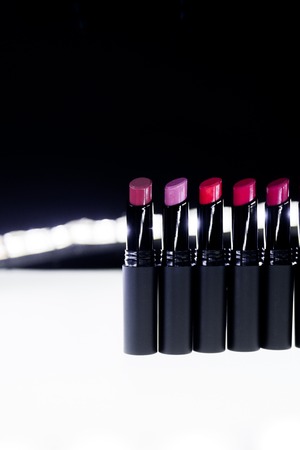
In the United Kingdom, lipstick has evolved far beyond its cosmetic function, cementing itself as an integral part of daily grooming and self-expression. Whether tucked away in the handbag of a busy London professional or applied with care before afternoon tea, lipstick symbolises more than mere colour—it’s an emblem of confidence, sophistication, and personal style. The British fascination with lipstick can be traced back through decades of cultural shifts, from the bold reds favoured by wartime heroines to the modern palettes embraced by contemporary trendsetters. Today, it remains a beauty essential for people across generations, reflecting both tradition and innovation. For many Brits, swiping on their favourite shade is as much about ritual as it is about appearance—serving as a finishing touch that completes any look and prepares one to face the day ahead. This enduring affinity for lipstick has spurred ongoing advancements in formulation and technology, making the UK a vibrant landscape for scientific progress in beauty products.
Core Ingredients and What Sets British Lipsticks Apart
When it comes to lipstick formulations, the base ingredients are crucial for texture, longevity, and safety. In the UK, there is a distinct approach to ingredient selection due to both consumer preferences and regulatory standards. Let’s take a closer look at what typically goes into British lipsticks and why these choices matter.
Common Base Ingredients in Lipsticks
| Ingredient | Function | UK-Specific Notes |
|---|---|---|
| Beeswax / Plant Waxes | Provides structure and smooth application | Increasing use of plant waxes for vegan formulas is popular in the UK market |
| Oils (e.g., Castor Oil, Jojoba Oil) | Adds moisture and shine | Preference for sustainably sourced, non-comedogenic oils; organic certifications valued by British consumers |
| Pigments (Iron Oxides, Carmine, Mica) | Provides colour intensity and variety | Carmine (from insects) is less favoured due to vegan trends; strict limits on heavy metals in pigments as per UK law |
| Emollients (Shea Butter, Cocoa Butter) | Ensures hydration and comfort throughout wear | Bristish brands often highlight ethically sourced emollients on their labels |
| Preservatives (Phenoxyethanol, Vitamin E) | Prevents microbial growth and extends shelf life | Parabens are restricted or avoided in many formulations due to EU/UK safety regulations and public demand |
| Synthetic Polymers (Silicones like Dimethicone) | Improves spreadability and durability of colour | A shift towards biodegradable alternatives is notable in response to eco-conscious shoppers in the UK |
Regulatory Influences: Ingredient Restrictions in the UK
The UK has some of the most stringent cosmetic safety standards globally. Certain ingredients permitted elsewhere may be banned or heavily regulated. For instance:
- No Lead-Based Pigments: Strictly forbidden due to health concerns.
- Limited Use of Parabens: Only specific parabens at low concentrations are allowed.
- Banned Animal Testing: All cosmetic products sold must be cruelty-free under UK law.
What Makes British Lipstick Formulas Unique?
The combination of ethical sourcing, vegan-friendly alternatives, eco-conscious packaging, and rigorous ingredient vetting sets British lipsticks apart from those found elsewhere. Brands emphasise traceability and transparency, ensuring every tube aligns with both legal requirements and consumer expectations in the UK.
In Summary
The science behind British lipsticks is shaped not just by beauty trends but also by a culture that values safety, sustainability, and ethical responsibility. This leads to innovative formulas that appeal to modern consumers seeking both performance and peace of mind.
3. Moisturising and Long-Lasting Formulas
The British climate, known for its unpredictable mix of drizzle, wind, and cold spells, has a direct impact on the preferences and expectations of local consumers when it comes to lipstick formulas. British beauty enthusiasts often seek products that provide both deep hydration and impressive longevity—no easy feat from a scientific standpoint. Modern lipstick innovations in the UK have responded with advanced blends that integrate emollients like shea butter, vitamin E, and hyaluronic acid to lock in moisture while keeping lips supple throughout the day.
At the same time, UK-based formulators are attentive to the demand for lasting colour that can withstand everything from a morning commute in the rain to a cup of afternoon tea. This durability is achieved by incorporating flexible polymers and pigment-binding agents that adhere closely to the lips without sacrificing comfort. These ingredients work together to create a non-drying barrier, ensuring vibrant colour pay-off that doesnt feather or flake—even in damp weather conditions.
Ultimately, the science behind these moisturising yet long-wearing lipsticks is about balance. Brands popular in Britain invest heavily in research to harmonise nourishing oils and waxes with cutting-edge fixing agents. The result? Lipsticks that not only look great but also feel comfortable—meeting the unique needs brought on by the UK’s climate, and keeping British lips both stylish and well-cared-for all year round.
4. Matte Versus Sheer: Trends in the UK Market
When it comes to lipstick finishes, British consumers exhibit distinctive preferences shaped by both climate and cultural trends. The ongoing debate between matte and sheer lipsticks highlights how product innovation aligns with local tastes and daily routines.
Understanding Finish Preferences
British weather is famously unpredictable, often cool and damp, which influences the demand for lipsticks that provide comfortable wear without excessive dryness or heaviness. Matte lipsticks have long been favoured for their sophisticated, polished look—ideal for professional environments and evening occasions. However, recent years have seen a surge in popularity for sheer formulas, valued for their easy application, natural appearance, and moisturising properties that suit everyday wear.
Why Certain Textures Suit British Tastes
The shift towards more understated beauty looks is apparent across the UK. Many prefer subtle enhancement over bold statements, making sheer lipsticks a go-to choice for daily use. Matte finishes remain popular among those seeking longevity and intensity, but brands are innovating with hybrid formulas that offer the best of both worlds—combining soft-matte effects with hydrating ingredients to suit the local climate.
Market Trends: How Brands Respond
| Lipstick Finish | Key Features | Popular Usage in UK | Brand Innovations |
|---|---|---|---|
| Matte | Long-wearing Bold colour payoff Non-shiny finish |
Evenings, formal events Professional settings |
Addition of nourishing oils Lightweight formulas to prevent dryness |
| Sheer | Translucent tint Moisturising Natural shine |
Daytime, casual wear Layering over balms |
Tinted balms Buildable coverage options |
| Hybrid (Soft-Matte) | Semi-matte look Hydrating ingredients Flexible coverage |
All-day wear Transitional looks from day to night |
Satin-matte blends Infusions of vitamin E and hyaluronic acid |
This table illustrates how brands adapt their offerings to match British preferences by blending traditional finishes with innovative formulas. Whether opting for a crisp matte or an effortless sheer, British men and women alike benefit from a wide spectrum of choices tailored to their needs. As consumer expectations evolve, the science of lipstick formulation continues to push boundaries in comfort, wearability, and style.
5. Sustainability and Cruelty-Free Credentials
In recent years, the UK has seen a marked shift in consumer priorities, with British buyers increasingly seeking out lipsticks that align with their ethical and environmental values. This growing demand for environmentally friendly, vegan, and cruelty-free lipstick formulas is reshaping the beauty industry’s approach to product innovation.
Eco-Conscious Choices Driving Innovation
Modern consumers are not only concerned with colour payoff and wearability—they want reassurance that their favourite lipsticks are kind to the planet. As a result, brands in the UK are investing heavily in sustainable sourcing of raw materials, using plant-based waxes and oils as alternatives to animal-derived ingredients such as beeswax or lanolin. These changes are reflected in both mass market and luxury segments, making green beauty accessible at every price point.
Cruelty-Free: A Non-Negotiable Standard
The cruelty-free movement is especially strong among UK buyers, with many refusing to purchase products tested on animals. Cosmetic brands now prominently display certifications from organisations like Leaping Bunny or The Vegan Society on packaging, providing transparency and building trust. For many men exploring lip care or subtle colour options, these badges are becoming as important as shade selection.
Packaging and Circular Beauty
Sustainability doesn’t stop at ingredients; packaging innovation is also a key focus. Recyclable tubes, refillable cases, and reduced plastic usage are central to new launches across British retailers. Some brands even offer recycling schemes or incentives for returning empty lipstick containers, helping close the loop in the beauty lifecycle.
The science of lipsticks in the UK now goes beyond performance—it encompasses a holistic approach to responsible production. Brands that champion vegan formulations and cruelty-free testing are winning loyal fans who value both style and substance in their grooming routines.
6. Future Innovations in British Lipstick Science
As we look to the future, British lipstick science is set to embrace a new era of innovation, blending cutting-edge technology with the unique needs of UK consumers. One of the most exciting developments on the horizon is customised colour technology. Imagine stepping into your local chemist or high street beauty retailer and having a lipstick shade created specifically for your skin tone, undertone, and even your mood that day. With advances in AI-driven colour matching and on-the-spot formulation, this personalised approach will soon make one-size-fits-all lipsticks a thing of the past.
Another area gaining traction is the focus on skin-friendly formulas tailored for British lifestyles and climate. Considering the UKs often unpredictable weather—ranging from damp chill to unexpected sunshine—brands are investing in lipsticks that offer all-day comfort and resilience against environmental stressors. Next-gen ingredients like barrier-boosting ceramides, plant-derived antioxidants, and advanced hydrating complexes are being formulated to protect delicate lip skin from both winter winds and summer rays.
Eco-consciousness also remains at the heart of British beauty science. Future lipstick ranges are expected to feature even more biodegradable packaging, refillable cases, and responsibly sourced pigments. This commitment not only reduces environmental impact but also aligns with the ethical standards valued by UK consumers.
In summary, the next wave of British lipstick innovation promises a blend of bespoke beauty solutions and high-performance care that supports both individual expression and everyday wellbeing. Whether you’re seeking a signature shade or a formula that goes the extra mile in the UK climate, the future looks bright—and beautifully British.